A good night’s sleep is vital for your health, energy, and emotional balance. But if you wake up feeling tired, experience frequent headaches, or your partner complains about loud snoring, it might be more than just poor sleep it could be sleep apnea.
Sleep apnea is a serious sleep disorder that causes your breathing to repeatedly stop and start during the night. These pauses in breathing can lower oxygen levels, disturb your sleep cycle, and put stress on your heart. If left untreated, sleep apnea can increase your risk of high blood pressure, heart disease, stroke, and diabetes.
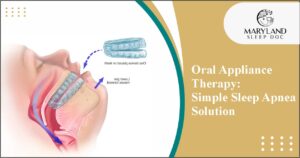
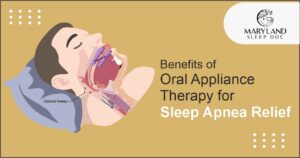
At Maryland Sleep Doc, your trusted sleep apnea specialist near Clarksville, we help diagnose and treat this condition with advanced methods, including Oral Appliance Therapy and CPAP alternatives for sleep apnea.
Here are 10 warning signs of sleep apnea you should never ignore.
1. Loud and Persistent Snoring
Occasional snoring is common, but if it’s loud, nightly, and disruptive, it could signal obstructive sleep apnea. The noise occurs when your airway becomes partially blocked during sleep. If your snoring disturbs others or wakes you up, it’s time to get evaluated.
2. Breathing Pauses During Sleep
Repeated pauses in breathing often noticed by a bed partner are one of the most recognizable symptoms of sleep apnea. These episodes can last for several seconds, causing your body to jolt awake to restore breathing, even if you don’t remember it in the morning.
3. Gasping or Choking in the Night
Waking up gasping for air or feeling like you’re choking is a serious red flag. This happens when your airway becomes fully blocked, forcing your body to wake up abruptly to resume normal breathing. Such episodes can happen multiple times a night, interrupting deep, restful sleep.
4. Excessive Daytime Sleepiness
Feeling tired or sleepy during the day, even after a full night in bed, is one of the most common signs of sleep apnea. Because your sleep is repeatedly interrupted, your body doesn’t reach the deep stages of rest, leaving you exhausted and unfocused.
5. Morning Headaches
Frequent morning headaches can be a sign of oxygen deprivation during sleep. These headaches usually fade after waking but can occur regularly in people with untreated sleep apnea.
6. Trouble Focusing or Memory Problems
When your sleep is poor, your brain struggles to function optimally. Sleep apnea can cause difficulty concentrating, forgetfulness, and reduced alertness, making everyday tasks more challenging. Consulting a sleep apnea specialist near Clarksville can help prevent long-term cognitive effects.
7. Mood Swings or Irritability
Sleep deprivation doesn’t just affect your body , it affects your emotions, too. People with sleep apnea often report mood changes, irritability, anxiety, or depression due to the constant fatigue and poor sleep quality.
8. Dry Mouth or Sore Throat in the Morning
Waking up with a dry mouth or sore throat can happen if you’re breathing through your mouth at night because of a blocked airway. This is another subtle but common symptom of sleep apnea.
9. Restless Sleep or Frequent Awakenings
If you toss and turn all night or wake up repeatedly without understanding why, your sleep may be fragmented by breathing interruptions. This restless pattern prevents your body from getting the deep, healing rest it needs.
10. High Blood Pressure or Heart Issues
Untreated sleep apnea can cause repeated drops in oxygen levels, leading to increased blood pressure and strain on your heart. Over time, this raises the risk of heart disease, irregular heartbeat, and stroke. If you have high blood pressure that’s hard to control, sleep apnea may be the hidden culprit.
Why You Shouldn’t Ignore These Signs
Ignoring the warning signs of sleep apnea can lead to serious long-term health consequences. Beyond chronic fatigue, it increases your risk of obesity, diabetes, heart conditions, and cognitive decline. The good news? With proper diagnosis and treatment, you can improve your sleep, energy, and overall quality of life.
At Maryland Sleep Doc in Clarksville, MD, we specialize in diagnosing and treating sleep apnea using advanced, comfortable, and non-invasive methods including Oral Appliance Therapy and CPAP alternatives. Our goal is to help you breathe easier, sleep better, and wake up refreshed.
Take the First Step Toward Better Sleep
Don’t let sleep apnea control your life. If you or someone you love shows these symptoms, early diagnosis can make all the difference.
Call Maryland Sleep Doc, best sleep apnea clinic in Maryland today at +1 443-272-1445 to schedule your consultation and discover the right treatment for your sleep apnea.
Your path to healthier, more restful nights starts here.