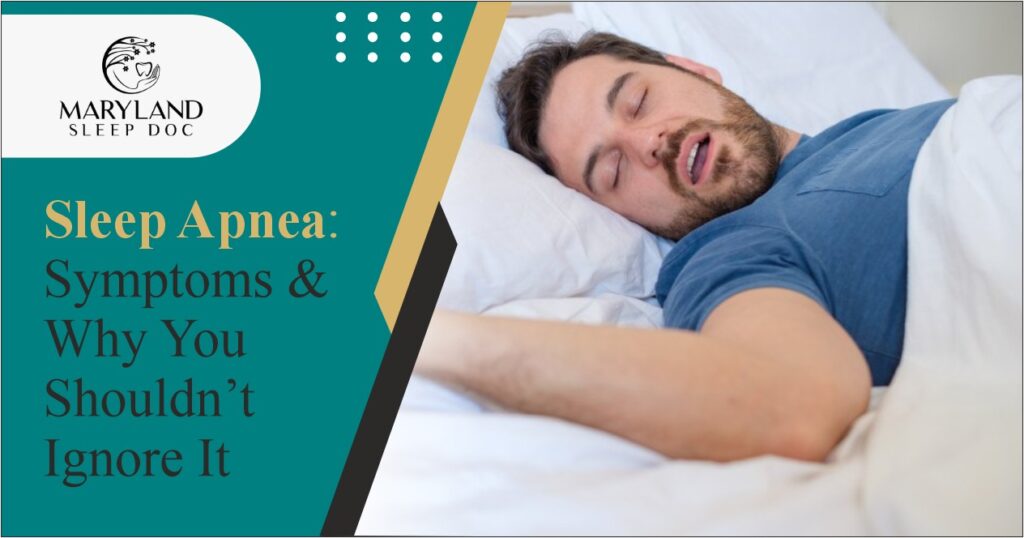
Sleep is one of the most important foundations of good health. It helps your body recharge, allows your brain to process information, and keeps your mood balanced.
But what if you’re spending 7–8 hours in bed and still waking up tired?
That could be a sign of a serious condition known as sleep apnea.
Sleep apnea is more common than you might think and if left untreated, it can lead to major health complications. In this blog, we’ll explore what sleep apnea are, its symptoms, causes, and why timely diagnosis and sleep apnea treatment in Clarksville, MD is crucial for your overall well-being.
What Is Sleep Apnea?
Sleep apnea is a disorder where your breathing repeatedly stops and starts during sleep. These pauses can last from a few seconds to a minute and may happen dozens or even hundreds of times each night.
When your breathing stops, your brain detects low oxygen levels and briefly wakes you up so you can breathe again. You might not remember these awakenings, but the constant interruptions prevent deep, restorative sleep leaving you exhausted and unfocused during the day.
Over time, untreated sleep apnea can put stress on your heart, affect your metabolism, and lower your quality of life. If you notice these symptoms, it’s important to visit an experienced sleep apnea doctor in Clarksville for proper diagnosis and care.
Types of Sleep Apnea
There are three main types of sleep apnea:
- Obstructive Sleep Apnea (OSA): The most common type, OSA occurs when throat muscles relax excessively and block the airway. This leads to snoring, gasping, or choking during sleep.
- Central Sleep Apnea (CSA): Here, the brain doesn’t send proper signals to the breathing muscles. It’s a communication issue between the brain and respiratory system rather than a physical blockage.
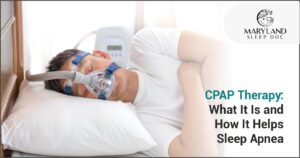
- Complex Sleep Apnea Syndrome: Also known as treatment-emergent sleep apnea, this condition combines both OSA and CSA, often appearing in patients who continue to have symptoms even after CPAP therapy.
Common Symptoms of Sleep Apnea
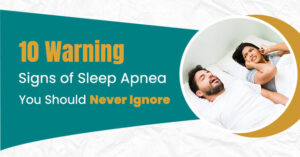
Many people with sleep apnea are unaware they have it until someone else notices their snoring or pauses in breathing. Here are the most common signs:
- Loud, persistent snoring
- Gasping or choking during sleep
- Morning headaches or dry mouth
- Daytime fatigue despite enough rest
- Difficulty concentrating or memory lapses
- Mood swings, irritability, or depression
- Frequent nighttime urination
- Poor sleep quality and restlessness
In children, it may cause bedwetting, hyperactivity, or poor school performance.
What Causes Sleep Apnea?
Several factors can increase your risk of sleep apnea:
- Obesity: Extra fat around the neck can narrow your airway.
- Neck Circumference: Thicker necks are more prone to airway blockage.
- Age: Risk rises after 40, though it can occur at any age.
- Gender: Men are more likely to develop sleep apnea; risk increases in women after menopause.
- Family History: Traits like a narrow throat or jaw can be inherited.
- Alcohol & Sedatives: These relax throat muscles excessively.
- Nasal Congestion: Sinus or nasal blockages can make breathing harder.
- Smoking: Causes airway inflammation and fluid retention.
Why You Shouldn’t Ignore Sleep Apnea
Sleep apnea is not just snoring or poor sleep, it’s a medical condition that can affect your entire body. Ignoring it can lead to:
- Heart Disease: Low oxygen levels put stress on the heart, increasing the risk of heart attack or arrhythmia.
- High Blood Pressure: Frequent oxygen drops can elevate blood pressure levels.
- Stroke: Interrupted oxygen flow to the brain raises stroke risk.
- Type 2 Diabetes: Poor sleep reduces insulin sensitivity.
- Depression & Anxiety: Sleep deprivation affects brain chemistry.
- Accidents: Drowsiness increases the risk of work or driving accidents.
- Cognitive Decline: Chronic oxygen deprivation may lead to memory loss or dementia.
Expert Sleep Apnea Treatment in Clarksville, MD
If you or loved one show symptoms of sleep apnea, don’t ignore them. Early diagnosis and personalized treatment can make a huge difference.
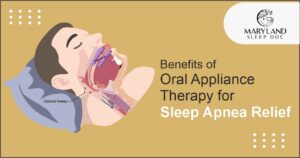
At Maryland Sleep Doc, our experienced sleep apnea doctor offers comprehensive sleep apnea treatment , tailored to your unique needs. Dr. Neelima Yerra, a Diplomate of the American Board of Dental Sleep Medicine (ABDSM), specializes in oral appliance therapy, a comfortable and effective alternative to CPAP therapy.
Call us today at +1 443-272-1445. Visit us at 5505 Suite 210, Signal Bell Lane, Clarksville, MD 21029 and take the first step toward peaceful, restorative sleep.
Maryland Sleep Doc, your trusted sleep apnea clinic in Maryland for better sleep, better health, and a better life.